
BATHROOM REMODELING
Bathroom Remodeling Contractor in
Monterey Park, CA
With more than 10 years of experience, ARD Remodeling remodels bathrooms for homeowners in Monterey Park, CA, from a new vanity and faucet to a rebuilt tub or shower. Three local facts shape the plan: the city's wells deliver hard water, California's fixture rule starts from 1994, and the city's plumbing and electrical form names each item a bathroom job touches. The free estimate covers all three before any tile is chosen, and the scope is written down before demolition.
- Free estimates
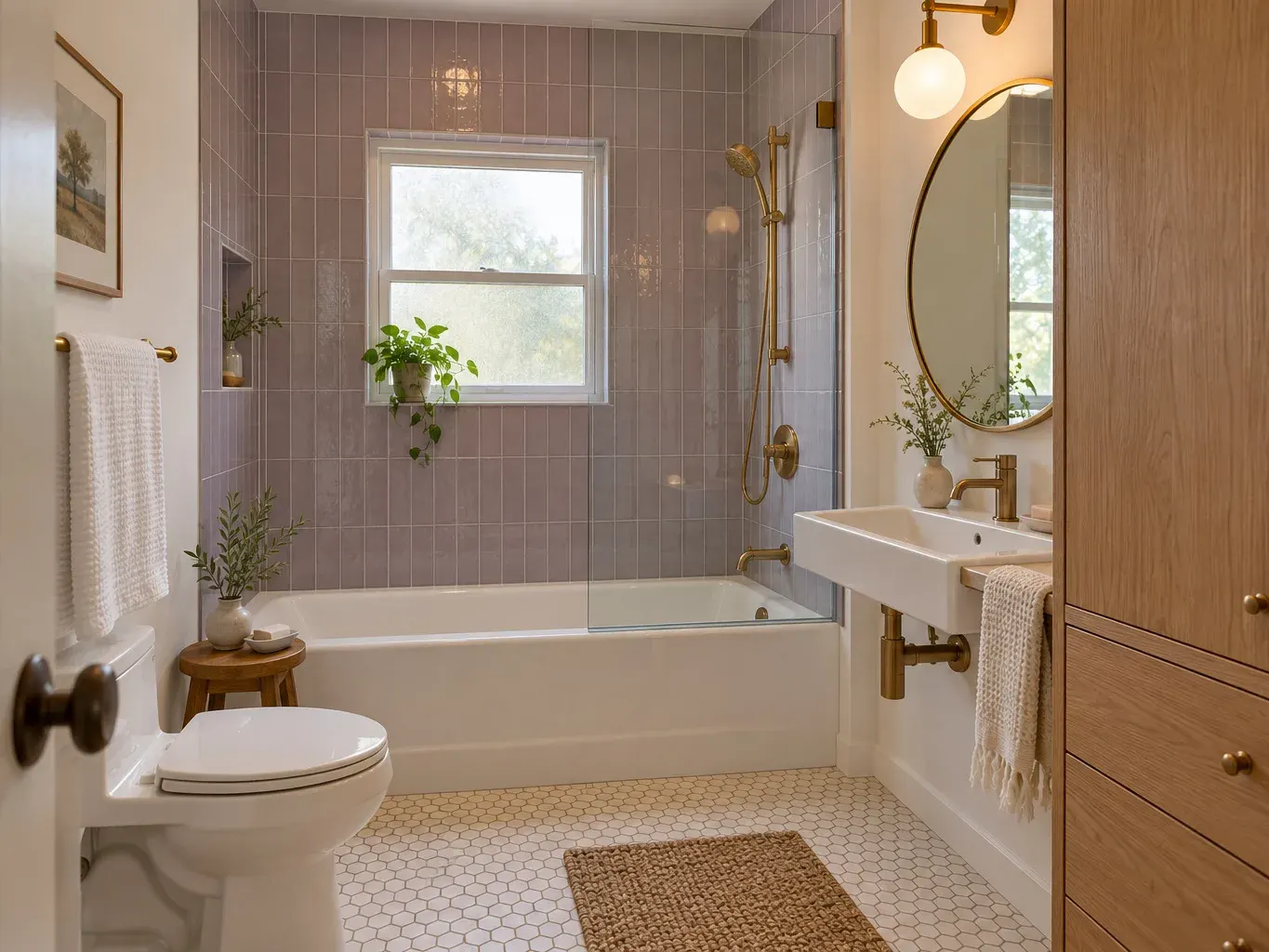
- Tub, shower and vanity
- Hard water in mind
- Scope in writing
Water
Hard water, and what the city's wells deliver to a new shower
Monterey Park runs its own water system. Its 2025 annual water quality report lists hardness, measured as calcium carbonate, at 340 to 380 ppm for the city's wells, averaging 356, or 19.9 to 22.2 grains per gallon, averaging 20.8. The supply comes from production wells outside the city limits in the Main San Gabriel Basin. If your home is on the city's system, that is the water your new glass, chrome and tile will meet.
Compare finishes side by side
We show how polished and brushed fixture finishes carry spots, and what tile texture and grout do, before you choose.
Glass you can wipe end to end
A fixed panel has no track or hinge to collect deposits.
If you are weighing treatment
The city's plumbing form lists water treatment equipment as an item of its own, so tell us early.


State fixture law
Toilets, showerheads and faucets: California's 1994 line
Civil Code section 1101.4, added by SB 407 in 2009, applies to property built and available for use on or before January 1, 1994. For alterations or improvements to a single-family home, the permit applicant replaces every noncompliant fixture as a condition of final permit approval. That means a toilet made for more than 1.6 gallons per flush, a showerhead above 2.5 gallons per minute or an interior faucet above 2.2.
The year decides
We ask when the home was built, since the rule starts from January 1, 1994.
All of them, not just yours
The statute says all noncompliant fixtures, so a hall-bath remodel can bring a new toilet or faucet elsewhere in the home.
THE CITY'S FORM
Which lines of the plumbing and electrical form a bathroom touches
A planning guide, not a ruling. The Building and Safety Division decides what your job needs.
Named on the form
- Toilet, lavatory and tub/shower combination, with their supply, trap and waste
- Floor drain and P-trap
- Water, drain and vent piping
- Light fixtures, receptacles, switches and bath fans
Have ready when you book
- Address, year built and a one-line description of the work
- Which fixtures are replaced, added or moved
- Whether a wall, a window or the tub position changes
- Condo or townhome? Your association's name and rules
Plan check or permit
The form has separate boxes for plan check and permit, and for new work, an addition or an alteration.
The form's last line says new installation, replacement or relocation of each listed item calls for a permit. We count which items your plan touches while we write the scope.
Attached homes
How the fixture rule reads for a condo or townhome
Section 1101.5 handles multifamily property separately. When an alteration to a room needs a building permit and that room holds noncompliant fixtures, the permit applicant replaces them in that room. Additions that enlarge a building by more than 10 percent, and alterations above a cost threshold in the statute, reach further. We read the section against your unit before the scope is final.
Shut-offs and neighbors
Water-off times and loud steps reach other units. Ask your association about notice, floor protection and hours before a date is set.
TUB OR SHOWER
Three ways to rebuild the bathing area
Decide early. It changes the drain, the framing and the waterproofing.
Alcove tub with a fixed glass screen
Best for: A hall bath that still serves children or guests
- Keeps a tub and a shower in one footprint
- One clear panel replaces a curtain and its rod
Keep in mind: Glass shows mineral film, so plan a quick wipe-down.
Tub replaced by a walk-in shower
Best for: A bathroom when the home has a second tub
- A low threshold, sometimes none, depending on the floor framing
- Tile, glass and a bench planned as one piece
Keep in mind: Moves the drain, so we check what is under the floor first.
Tub-shower combination, rebuilt
Best for: A home with one tub and a plan to keep it
- Supply and drain often stay where they are
- Tile to the ceiling or a solid-surface surround
Keep in mind: Door tracks and curtain rods collect deposits, so choose a plain profile.
SHOWER WALL DETAILS
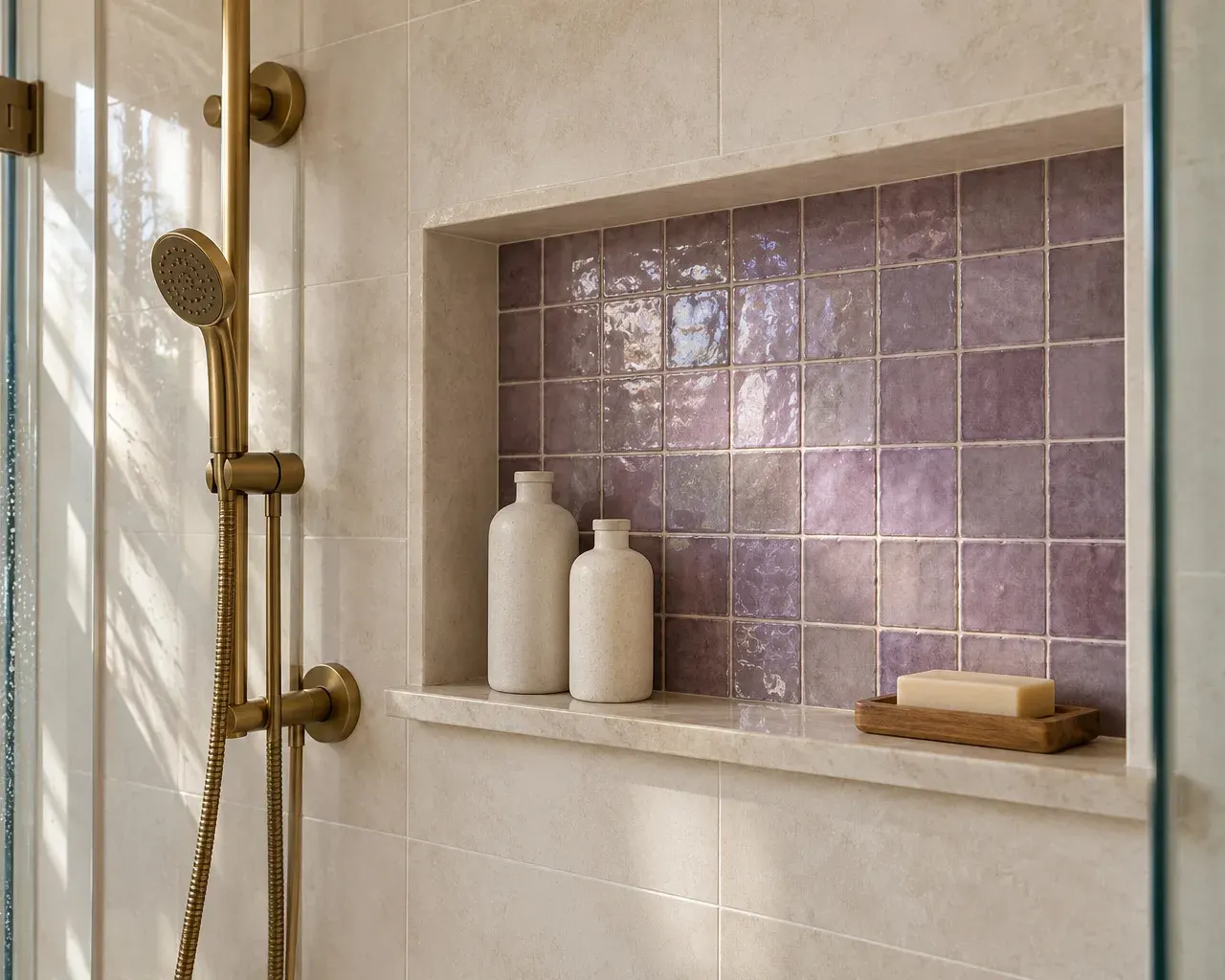
Niches and edges that cope with mineral film
A niche, a ledge or a glass edge is where deposits settle first. We lay out the shower wall so shelves are shallow enough to wipe and tile lines meet the glass cleanly.
- A niche with a smooth floorBottles sit on one even surface that wipes clean in a single pass.
- Fixtures within reachThe rail and valve sit where you can wipe them without a stool.
- Edges that meet cleanlyTile and glass join with a neat joint instead of a deep channel.
Before the old tile comes out
Demolition day: the air-district notice that comes first
When more than 100 square feet of building materials are to be removed, the city's Demolition Requirements page says state law requires the contractor to notify the South Coast air district at least ten days before removal begins. The city's plumbing and electrical form repeats the point: demolition needs proof of that notification. Whether a bathroom crosses the line depends on how much wall and floor comes out, so we measure it at the estimate.
A copy goes to the building department
The city's page asks for a copy of the notification, and the first working day is set after the notice goes in.
FOR THE VISIT
What to have ready for a bathroom estimate
Rough answers are fine.
- 1The year the home was built, even roughly
- 2House, townhome or condo
- 3Which fixtures you want to replace, add or move
- 4Whether a wall, a window or the tub position changes
- 5Leaks, soft floors or stains you have noticed
- 6Photos of every wall, the floor and the ceiling
Leave blanks where you are unsure. We sort them out together at the visit.
MORE IN THIS CITY
More Remodeling in Monterey Park
 Service overviewKitchen RemodelingBeautiful kitchens that bring together thoughtful design, quality materials and expert craftsmanship.See the service
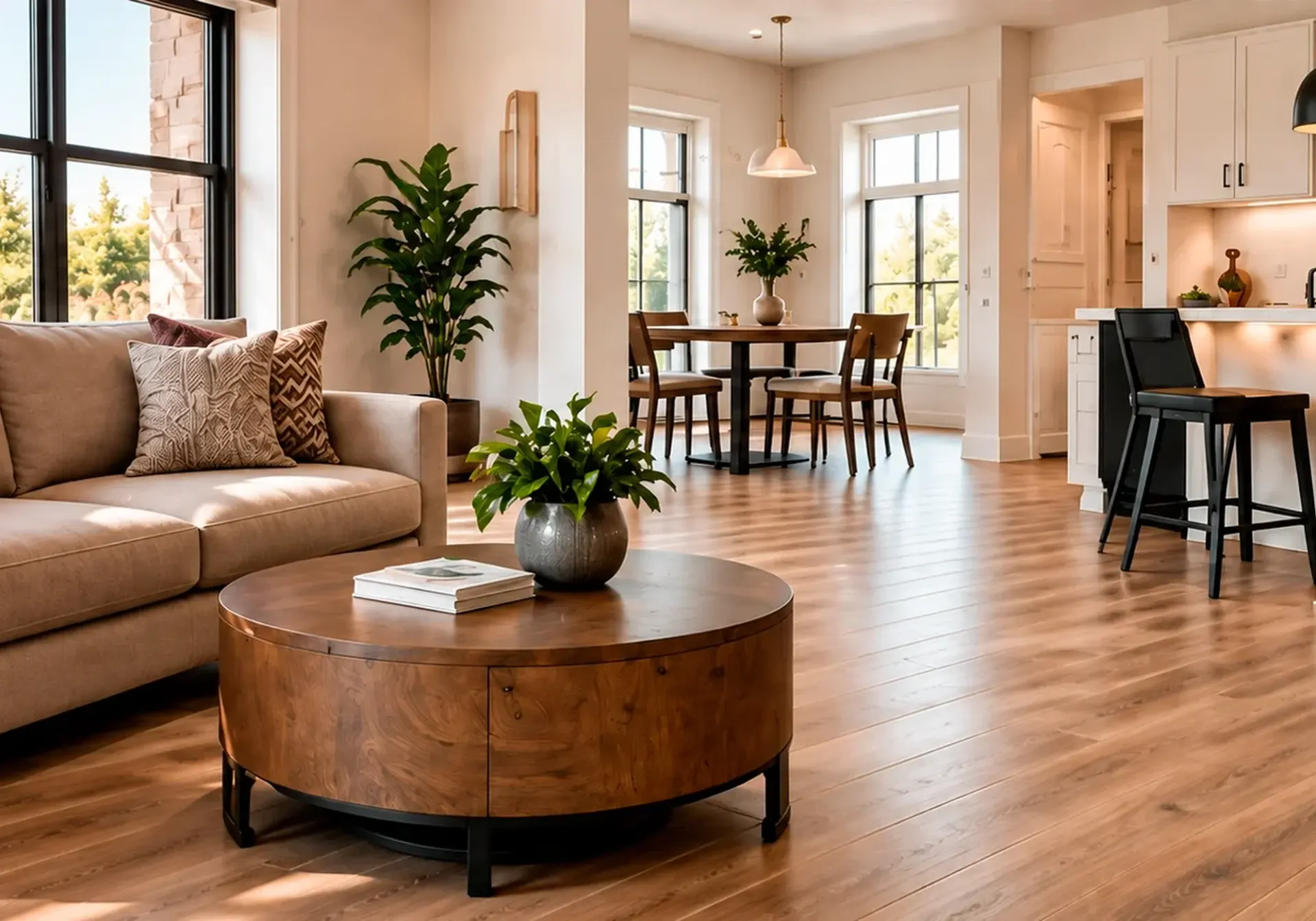 Service overviewFlooring & TileStylish, durable, and professionally installed flooring and tile for every room in your home.See the service
 Service overviewTile InstallationFloor, shower, backsplash and patio tile installed on a properly prepared surface, with clean layouts and neat grout lines.See the service
 Service overviewWhole-Home RenovationsDesign, construction and finishing details brought together into one carefully coordinated project.See the service
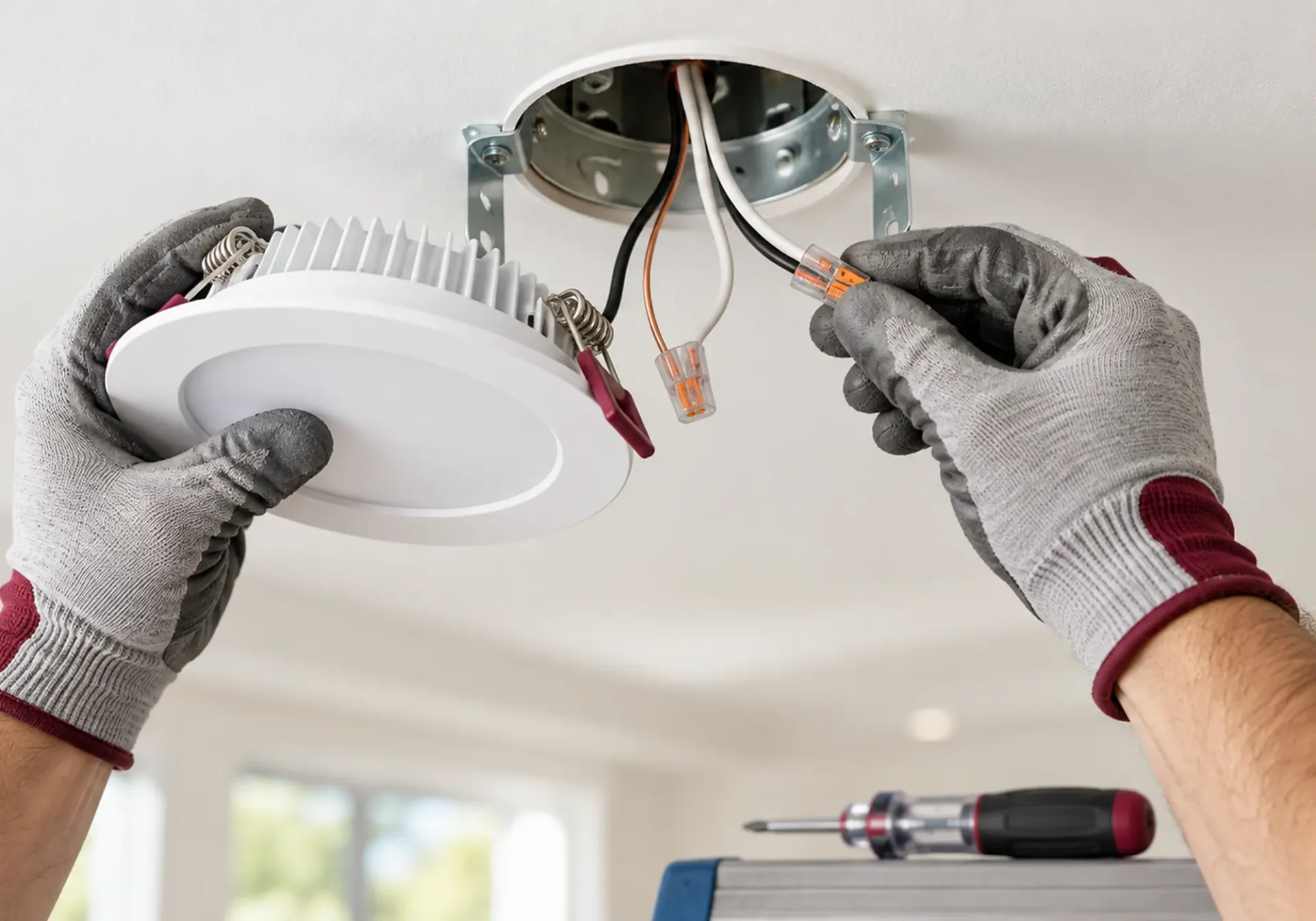 Service overviewLighting InstallationRecessed lights, pendants, chandeliers, under-cabinet and outdoor lighting, wired safely and placed where it matters.See the service
 Service overviewPaintingFlawless finishes, lasting beauty, and attention to detail in every interior and exterior painting project.See the service
 All remodeling in Monterey ParkEverything we do in this city, on one page.
TELL US WHAT YOU SEE
Is it the tub, the tile or the whole layout?
Describe what bothers you in the bathroom and send a photo. We will say how the city's form and the fixture rule bear on it.
HOW IT WORKS
How a bathroom remodeling project runs
Step 1
Look at the room
We check the tub or shower, the visible plumbing and any stains or soft spots.
Step 2
Pick finishes and write the scope
Tile, glass, fixtures and the vanity are chosen together with the water in mind, then written down.
Step 3
Match the job to the form
We list which lines of the city's plumbing and electrical form the work touches and check the build year against the 1994 rule.
Step 4
Build and walk through
Demolition, plumbing, waterproofing, tile and fixtures follow in order, and we go through the finished room with you.
Good to know
Before you start in Monterey Park
Every point below comes from the source shown on its card, with the date we last checked it. Rules change, so confirm anything that affects your project directly with the source.
- Official source
The plumbing and electrical form
Application for Electrical/Mechanical/Plumbing, Building and Safety Division, with boxes for plan check or permit, residential or non-residential, new, addition or alteration, and demolition. The plumbing column lists toilet, lavatory, tub/shower combo, floor drain, P-trap, water treatment equipment and other fixtures, plus water, drain/storm and vent piping, backflow devices, gas piping and water heaters. The electrical column covers receptacles, switches, light fixtures and bath fans. The closing line says new installation, replacement or relocation of each listed item calls for a permit.
- Official source
Hardness of the city's water
The 2025 Annual Water Quality Report says the city's supply comes from production wells located in the Main San Gabriel Groundwater Basin, and that the city also purchased water from San Gabriel Valley Water Company. Its table lists hardness as CaCO3 for the city's own sources at 340 to 380 ppm, average 356, and at 19.9 to 22.2 grains per gallon, average 20.8, sampled in 2025.
City of Monterey Park, 2025 Annual Water Quality Report Checked 2026-10-30 - Official source
Notice before demolition
When more than 100 square feet of building materials are to be removed, state laws require the contractor to notify the Air Quality Management District at least ten days before removal work takes place, and a copy of the notification is given to the building department. The page adds that enforcing AQMD rules is outside the building department's jurisdiction and that a permit or inspection approval does not waive the permittee's responsibilities.
City of Monterey Park, Demolition Requirements Checked 2026-10-30 - California law
State rule on older plumbing fixtures
As chaptered in Statutes of 2009, chapter 587 (SB 407): Civil Code section 1101.2 applies to residential and commercial real property built and available for use on or before January 1, 1994. Section 1101.3 counts a toilet above 1.6 gallons per flush, a showerhead above 2.5 gallons per minute and an interior faucet above 2.2 gallons per minute as noncompliant. Section 1101.4(a): for alterations or improvements to single-family residential real property, the permit applicant replaces all noncompliant plumbing fixtures as a condition for final permit approval. Section 1101.5 covers multifamily property.
California Legislature, Senate Bill 407 (2009), chaptered text Checked 2026-10-30

FAQ
Bathroom Remodeling questions in Monterey Park
Direct answers to what homeowners ask us most. If your question is not here, call or send a request.
- Monterey Park
- Permits
- Clear scope
How hard is Monterey Park's water, and will it spot new glass?
The city's 2025 water quality report lists hardness for its own wells averaging 20.8 grains per gallon. Hard water can leave a mineral film on glass and chrome, so we go through finishes and wipe-down habits at the estimate.
Do old toilets and showerheads have to go when I remodel?
For a single-family home built and in use on or before January 1, 1994, state law has the permit applicant replace noncompliant fixtures as a condition of final approval. Toilets above 1.6 gallons per flush, showerheads above 2.5 gallons per minute and faucets above 2.2 count.
Which items on the city's form does a bathroom job use?
Usually the toilet, lavatory and tub/shower combination, floor drain, water, drain and vent piping, light fixtures, receptacles and a bath fan. We count them while writing the scope.
Does tearing out an old bathroom involve the air district?
The city says contractors notify the air district at least ten days before removing more than 100 square feet of building materials, and its form asks for proof when demolition is checked. We measure what comes out at the estimate.
Can the tub come out and a walk-in shower go in?
Often. We look at the framing, the drain position and whether it is the only tub in the home before the plan is drawn.
Service area
Bathroom Remodeling near Monterey Park
We work across Riverside, Orange, Los Angeles and San Bernardino counties. Call or send a request and we will confirm your address.
Prefer the full overview?
Bathroom Remodeling: main service page
READY TO GET STARTED?
Planning a bathroom remodeling project in Monterey Park?
Tell us about your home and your plans. We will confirm the details and set up your free estimate.